THE TONGXING COLLECTION

Rooftop package units

One system. Year-round comfort.

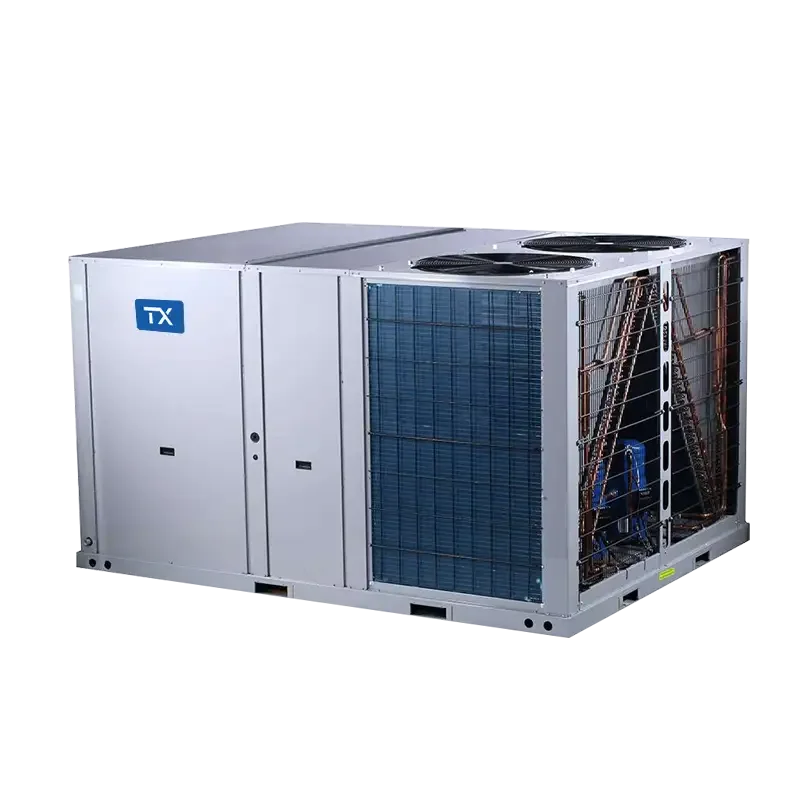
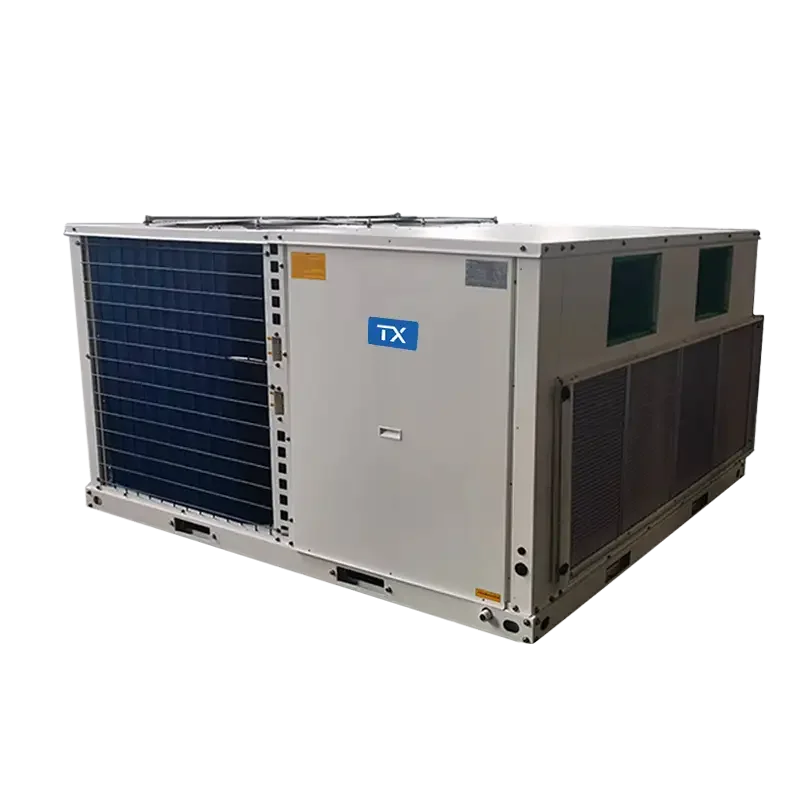
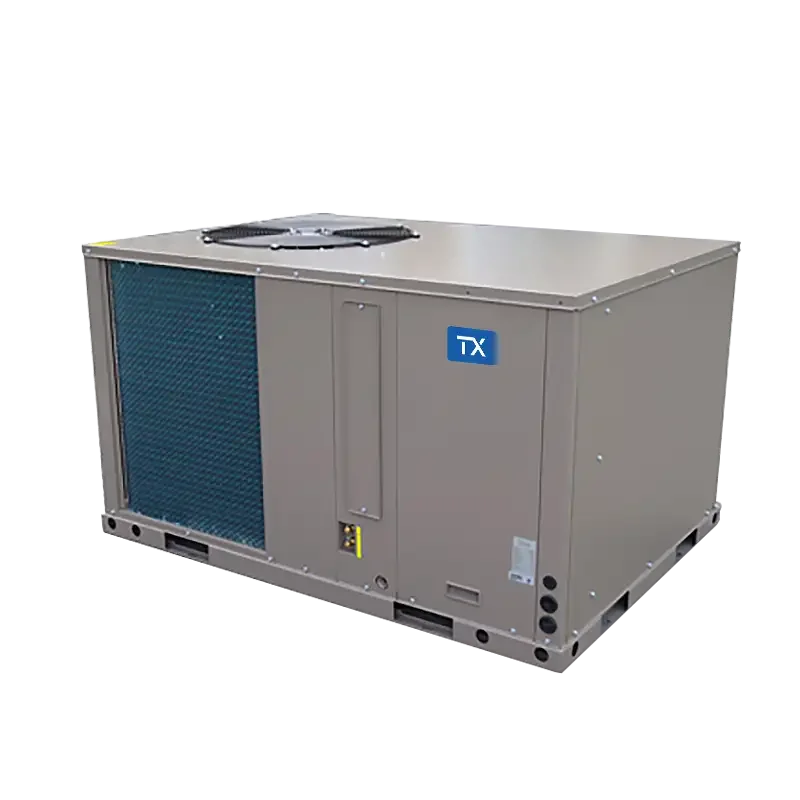
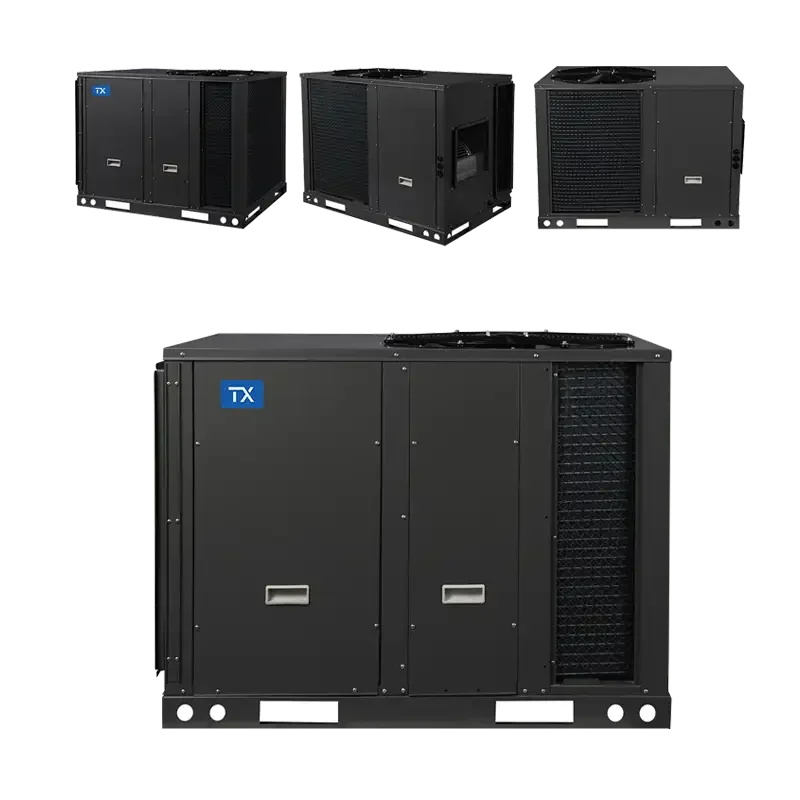
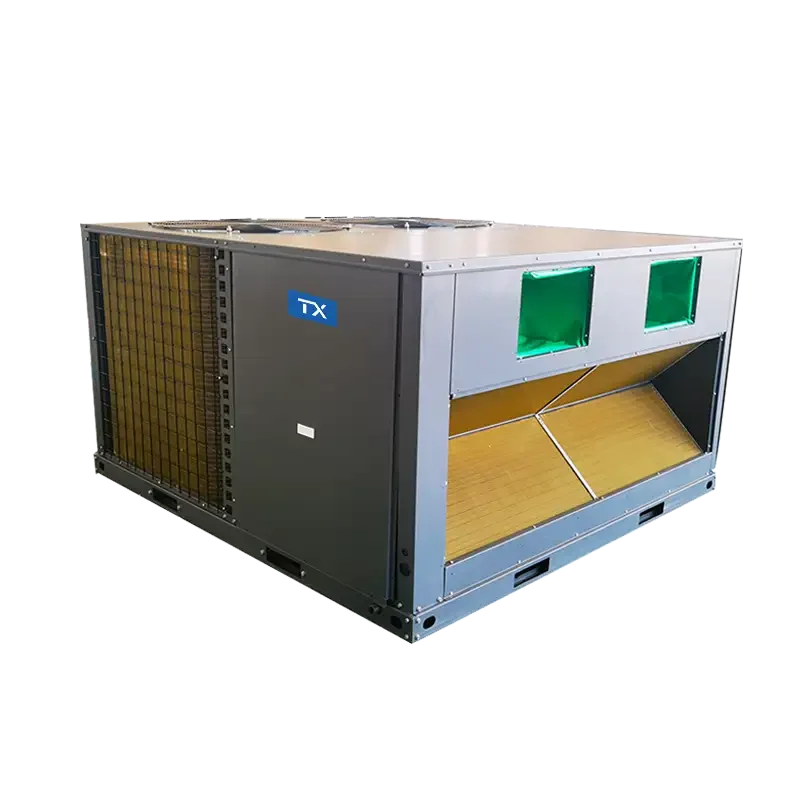
Tongxing rooftop packaged units combine the main refrigeration components in one outdoor assembly and connect to a building's air-distribution system. Explore the range for commercial and industrial projects, and request a selection for the required cooling and heating conditions.

Match the unit to the ductwork

Provide the cooling and heating loads, required supply airflow and external static pressure. Include the duct arrangement and any fresh-air or filtration requirements. These requirements need to be checked against the selected configuration, rather than relying on the product name alone.

Confirm site and electrical requirements

Share the project location, design outdoor temperatures, voltage, phase and frequency. Our published tables cover specific catalogue configurations; ask for the exact model and rating conditions that correspond to your quotation.

Plan lifting, access and connections

Share the installation position and access constraints so the team can provide the relevant dimensions and equipment details. The project engineer and installer should confirm structural support, service clearances, duct connections and lifting arrangements using the selected unit's drawings.

Equipment supply and installation support

Tell us the quantity, target schedule and support you need, including remote installation guidance. Request the model-specific technical sheet and any required market documentation together with your quotation.

EQUIPMENT BUYER’S BRIEF

Commercial rooftop packaged unit purchasing

Prepare a rooftop HVAC equipment enquiry for new buildings, multiple-unit orders or replacement projects. The published rooftop ranges provide a starting point; the proposed configuration must suit the site’s airflow, power and installation requirements.

What is a rooftop unit (RTU)?

RTU means rooftop unit. A packaged rooftop air conditioner brings the main cooling components together in an outdoor assembly that serves building ductwork. Rooftop HVAC, rooftop AC unit and packaged rooftop unit are common descriptions; the selected model still needs an exact airflow, power and configuration check.

Which rooftop air conditioner capacity should I request?

Use the project cooling and heating loads, airflow and external static pressure to request selection. Our supplied catalogue ranges cover 6.2–30 ton inverter and on-off rooftop units; availability and performance for your electrical supply and destination require confirmation. A nominal tonnage is not a complete specification.

How is commercial rooftop unit cost compared?

Separate the equipment price from roof-curb adaptation, lifting, duct changes, wiring and commissioning. For several units, request a model-by-model schedule with quantities and accessories. This makes a replacement proposal comparable to the actual scope required by the local contractor.

Inverter or on-off rooftop units?

When comparing the published inverter and on-off ranges, state the design cooling duty, operating schedule and control requirements. Request the selected performance and electrical data for the proposed model. Do not assume a fixed energy saving from the compressor description alone; compare using the same project assumptions.

What affects a rooftop unit replacement quote?

The existing roof curb, supply and return duct openings, fan duty and electrical connections can change the replacement scope. Include surveyed dimensions and photographs with the old model number. Ask the local contractor to identify adapter, lifting and connection work separately from the equipment supply.

What should contractors include in a multi-unit RFQ?

List each unit’s quantity, duty, airflow, external static pressure, power supply and control requirements. Add the discharge arrangement, ventilation requirements and delivery sequence. Ask for a model schedule and a clear list of included accessories rather than comparing a single total price.

Request a project equipment quotation

YOUR NEXT PROJECT STARTS HERE

Great spaces.
Start with a conversation.

Let’s build your solution