
Start with a design duty, not a floor-area estimate
Ask your project engineer for the required cooling duty and the conditions behind it. Record whether the chiller serves comfort cooling, a process or another application. Floor area alone cannot describe the water circuit, operating hours or temperature requirements. For replacement work, include the existing unit schedule and explain any change in building use or load.
Compare selections at the same water and outdoor conditions
Give entering and leaving chilled-water temperatures, design water flow and the fluid type, including any proposed glycol concentration. Provide the design outdoor temperature and required operating range. Request a performance selection at those conditions for each candidate. Catalogue capacity and input power should not be assumed to apply at a different ambient temperature or water setpoint.
Review the operating profile as well as the peak load
Describe the expected operating hours, seasonal demand and periods of low load. A part-load rating uses defined test points; it is not a forecast of your building’s annual electricity consumption. Compare proposals using the same assumptions and identify the pumps, fans and other auxiliaries included in each energy estimate.
Define modular capacity and service expectations
If you are considering several modules, ask for the proposed staging sequence, minimum operating requirements and available capacity when one module is unavailable. Record the project’s continuity requirement before comparing quantities. A modular arrangement needs a coordinated hydraulic and controls design; simply adding nameplate capacities does not resolve these questions.
Separate the equipment package from site work
Request a scope schedule identifying the chiller, pumps, tank if required, valves, controls and accessories supplied by each party. Ask the local engineer to check access, support, service clearances, water connections, drainage and electrical supply against the selected drawings. Confirm voltage, phase and frequency for the destination; a published 50 Hz model does not establish availability of an equivalent 60 Hz configuration.
Prepare a comparable request for quotation
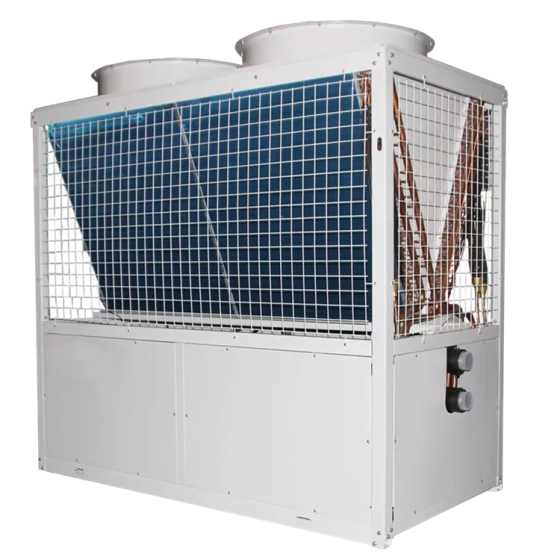
Send a dated brief containing installation country, design duty, water temperatures, outdoor conditions, operating profile, quantity, delivery target and available drawings. List unanswered items explicitly. Keep the equipment budget separate from installation and building work so quotations cover the same purchasing scope. Tongxing’s published 65, 130 and 260 kW catalogue models are starting points for a selection discussion; request confirmation for the actual site conditions.
Move from planning to an equipment brief.
- Explore air-cooled modular chillers
- What to Include in a Commercial HVAC Quotation Request
- HVAC Equipment Documents to Review Before Ordering
- Equipment supply and technical support