
What is the difference?
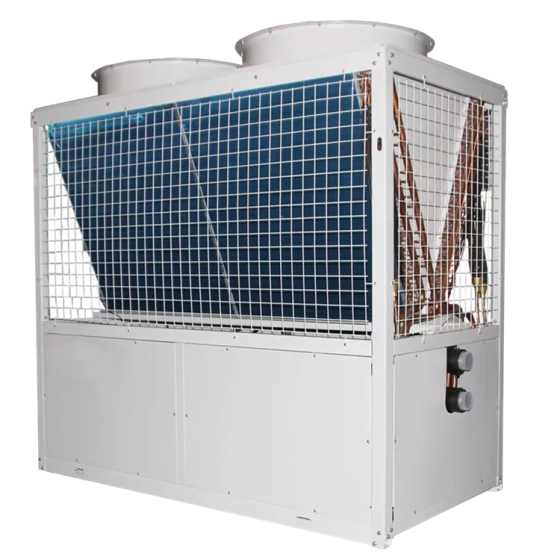
Both arrangements supply chilled water to a building or process. An air-cooled chiller rejects heat to outdoor air; a water-cooled chiller transfers it to a condenser-water loop with separate heat-rejection equipment. The choice changes the plant scope, not simply the product label.
Compare the complete installation cost
For each proposal, create separate lines for the chiller, heat-rejection equipment, pumps, pipework, controls and site works. Add the local contractor’s lifting, connection and commissioning allowances. Record exclusions explicitly. A cheaper chiller quotation may cover a smaller scope, so compare the equipment and installed project budgets on the same basis.
Check water, space and maintenance responsibilities
An air-cooled arrangement needs suitable outdoor airflow and service access. A conventional water-cooled installation commonly includes a cooling tower and condenser-water pumps, with water treatment and ongoing maintenance obligations. Ask the local designer to check site constraints and identify the team responsible for each part of the plant. Neither arrangement removes the need to maintain the chilled-water circuit.
Compare efficiency using project conditions
Ask for selections at the same required cooling duty and relevant design temperatures. Include pumps, fans and heat-rejection equipment when assessing system electricity use. A single chiller efficiency figure does not describe annual plant consumption. Request a clearly stated operating schedule and price assumptions for any cost comparison; do not apply another manufacturer’s savings or life expectancy to an unselected model.
Questions for a replacement or phased expansion
What equipment will remain? Which connection sizes and control interfaces must be retained? What cooling duty is required while part of the plant is unavailable? Provide existing drawings, a model schedule and any changed building loads. Ask for a proposed changeover scope, including temporary arrangements if your project requires them. The project engineer should approve system compatibility and continuity planning.
Prepare two comparable quotation briefs
Use one project brief containing country, building use, cooling duty, chilled-water temperatures, operating hours, electrical supply and installation constraints. For the water-cooled option, add condenser-water conditions and the heat-rejection scope. For the air-cooled option, add outdoor design conditions and the proposed location. Identify who supplies each auxiliary item and which technical documents are required.
Discuss the equipment range
Tongxing’s published air-cooled modular chiller range includes 65, 130 and 260 kW catalogue models. Ask for selection at the actual project conditions. Water-cooled equipment proposals require a separate model and configuration review. Send your engineer’s brief to compare available equipment supply options; no universal lowest-cost solution is assumed.
Move from planning to an equipment brief.
- Compare the published chiller models
- Water-cooled chiller equipment and quotation requirements
- Explore air-cooled modular chillers
- What to Include in a Commercial HVAC Quotation Request
- HVAC Equipment Documents to Review Before Ordering
- Equipment supply and technical support